The short answer
Families split across countries stay close through rhythm, not effort. Agree one regular call time that suits the people who matter most. Let the family calendar remember the birthdays. Set your parents up properly on your next visit, and keep the photos and news in one private place everyone can open. Then give the children a way to know who everyone is. None of it takes long. All of it beats trying to keep up with a dozen chats at 2 am.
What distance actually takes away
It isn't the big moments. You fly home for the weddings, and you are on the call for Diwali. Distance takes the small things. Your father's knee is better. Your niece lost her first tooth. Your mother cooked your favourite dish on Sunday and thought of you. Those things travel through a family by being nearby. From abroad, they need somewhere to land. Without one, they scatter across private chats and phone calls that half the family never hears about.
Six habits for a family in several countries
- Fix one call that keeps its timePick a weekly slot that works for your parents first: 9 am on Sunday in London is mid-afternoon in India, and 7 pm on Saturday in Sydney is Saturday lunchtime in India. Write it in their time zone, keep it even when there is nothing to say, and check it again whenever clocks change. Short and regular beats long and rare.
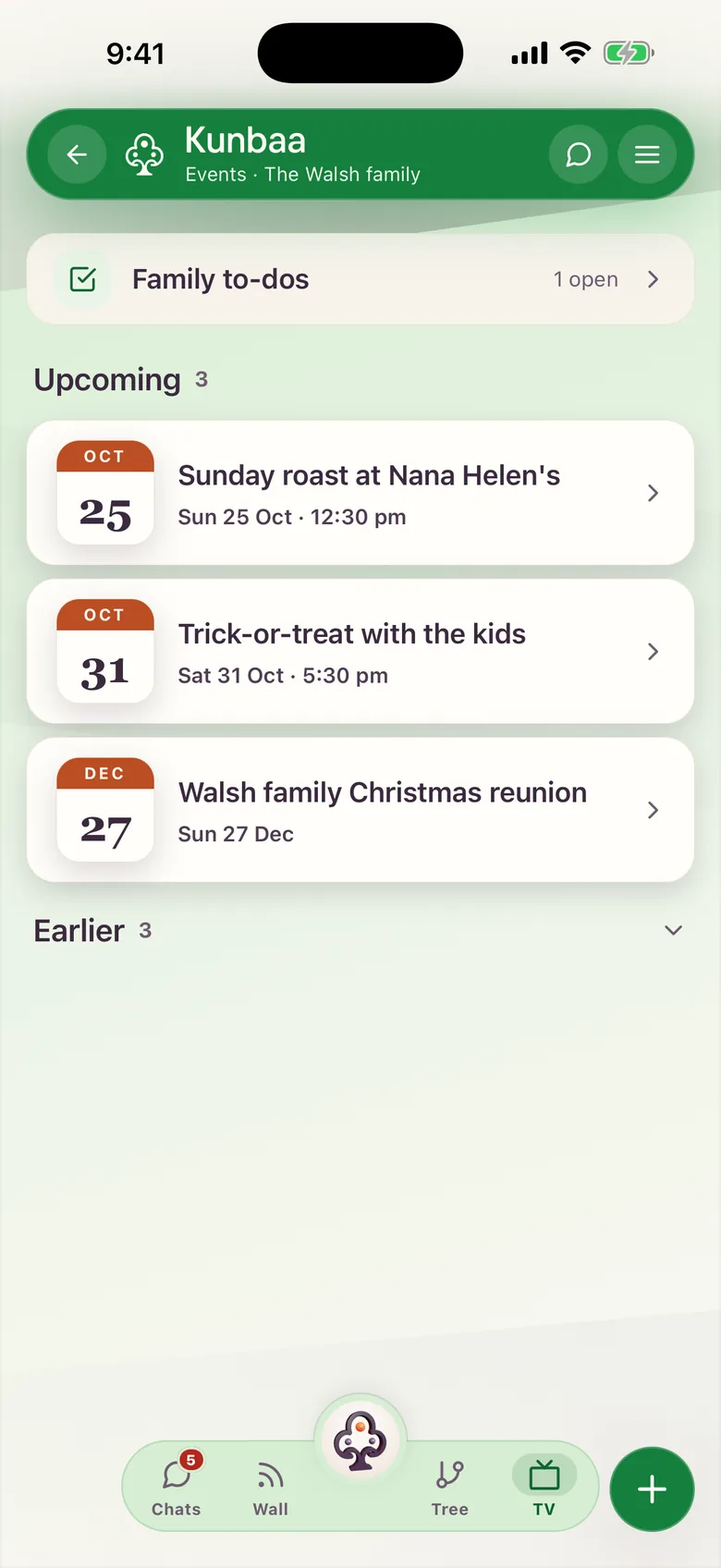
- Let the calendar remember the birthdaysPut every relative on the family tree with a birth date, and Kunbaa shows each birthday on the family calendar every year, with a reminder on the day. The reminder comes from the tree, not from whoever usually remembers.
- Set your parents up on your next visitDo it in person, or on a long call, not in a hurry before a flight. Install the app or bookmark kunbaa.com, sign them in, and show them three things: the wall, the photos, and how to comment. Setting up a parent or grandparent has the steps.
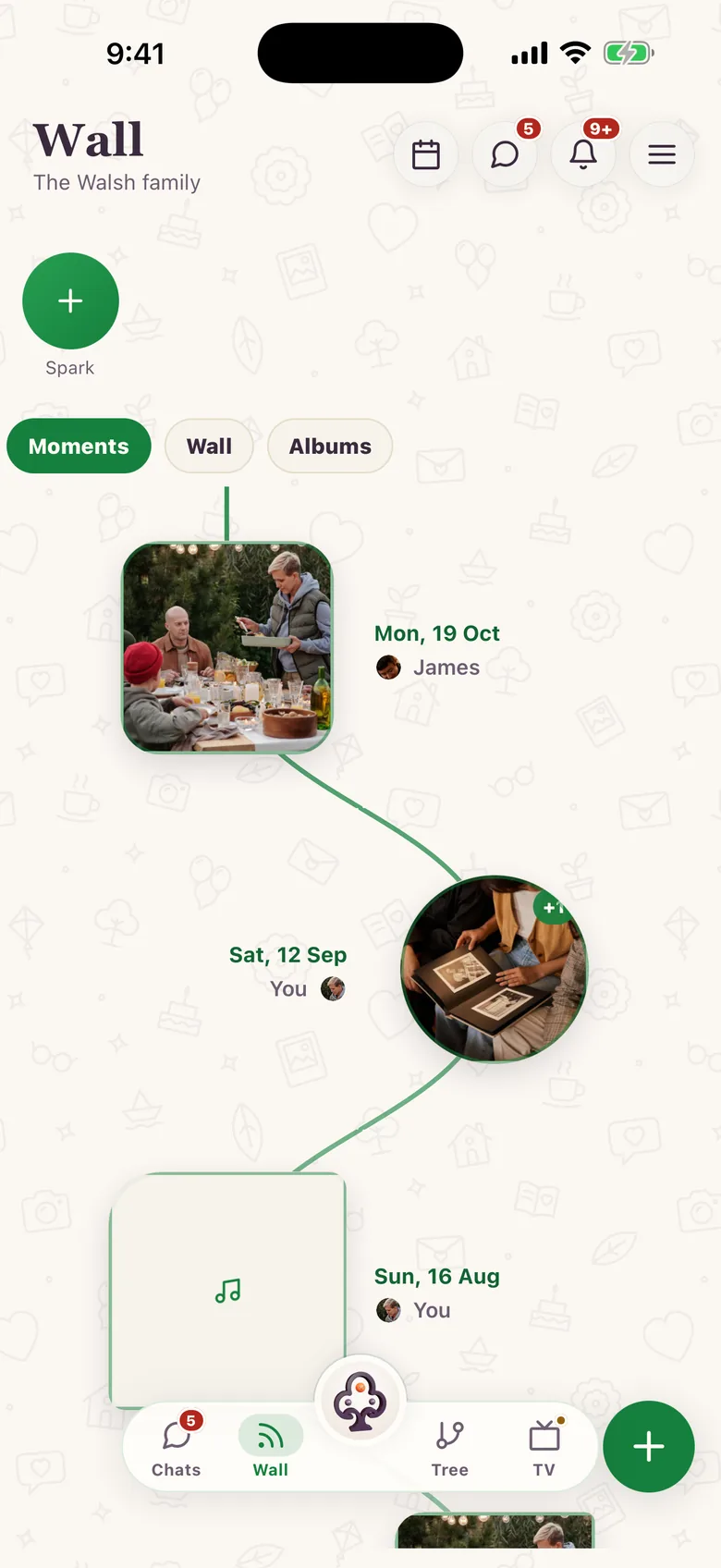
- Keep the news in one placeAgree that the everyday news (the knee, the tooth, the Sunday lunch) goes on the family wall, with a photo if there is one. Everyone sees it in their own time, and nobody has to forward it to three groups.
- Plan the visits home togetherMake each trip an event, with the dates, who is coming and a to-do list: the gifts, the airport pickup, the cousin's engagement you must not miss. Every to-do has one owner and a tick box.
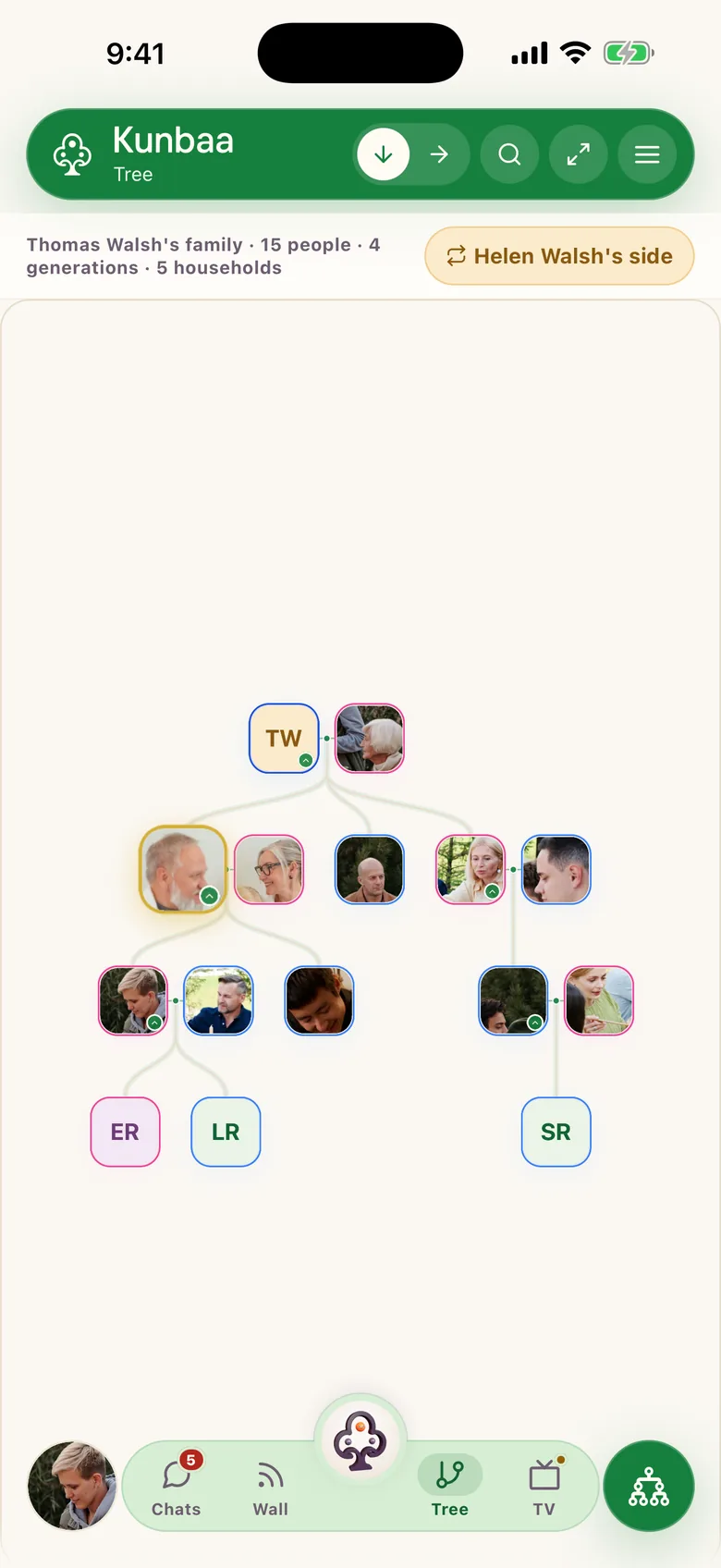
- Give the children a map of the familyChildren growing up abroad meet their relatives a few times a year. A family tree with a photo on every person tells them who Mama-ji is before the visit, so the hug at the airport is not with a stranger.
Time zones without the arithmetic
- Write every time in one city's time, usually the grandparents', with the others beside it: “7 pm Delhi (1:30 pm London, 8:30 am New York, 12:30 am Sydney)”, as the clocks stand in November.
- Remember the clocks move. Australia, the UK, Europe and North America each change on their own dates, and India doesn't change at all. A time agreed in September can be an hour off by November.
- Rotate the bad slot. If someone always gets the 6 am call, swap it next month.
Keep the languages
The family's language is often the first thing a child abroad loses, and the thing grandparents mind most. Ask a grandparent to record a voice note in their own language, telling a story or saying a prayer, or just saying good morning. Record it on a phone; on kunbaa.com you can add the recording to a post, where it stays with the family. The children hear it as she said it, and the story is still there in twenty years.
Distance doesn't take the big moments. It takes the small ones, unless they have somewhere to land.
Festivals from far away
Festivals are when distance hurts most and when a little planning helps most. Agree the day your family keeps, the host home everyone thinks of as the centre, and a call time written in the host's time zone. Share out the jobs, including the ones relatives abroad can do from a distance: ordering the sweets to Nani's door, running the playlist, setting up the call. Then ask every home to put its photos in one place on the night. Kunbaa's Diwali page has the dates for each country and a ready-made checklist.
Why one private place, not more groups
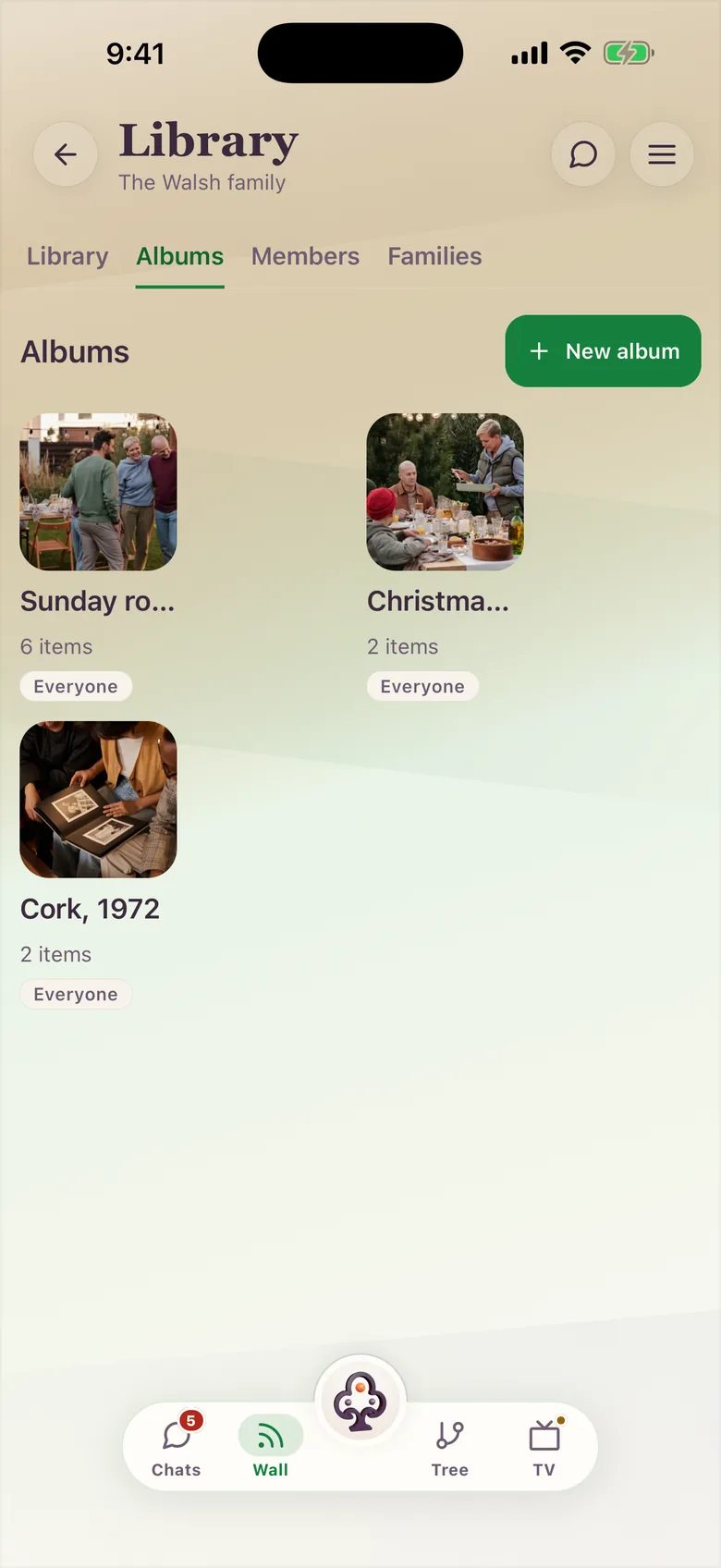
Most families abroad already have a family group chat, and it does a job: quick messages, today's news. What it doesn't do is keep anything. Photos arrive compressed and sink under newer messages, and nothing says who is who. A private family space adds what the chat lacks: the tree, the photos with their stories, the calendar, all in one invite-only place with no public feed. Keep the chat for quick messages if you like, and put what matters in the family space. If you are weighing it against the group you already have, see Kunbaa compared with WhatsApp and staying connected with family abroad.
Frequently asked questions
- How do NRIs stay connected with family back home?
- With a few habits rather than constant effort: one regular call at a time that suits the parents, birthdays kept by a shared family calendar, parents set up properly on a visit, the everyday news in one private place, and a family tree so children know who everyone is.
- What is the best time to call India from abroad?
- Pick the parents' time first. 9 am on Sunday in London is mid-afternoon in India; 7 pm on Saturday in Sydney is Saturday lunchtime in India; 8 pm in India is mid-morning on the US east coast. Write the time in their zone and check it again whenever your clocks change.
- How do I set up my parents on a family app from abroad?
- Ideally on your next visit, or on a long video call: install it or open the website, sign them in, and show them the wall, the photos and how to comment. Keep it to three things the first time.
- Does everyone in the family have to pay?
- No. Everyone in the family joins Kunbaa free. One person can choose Kunbaa Plus to keep the whole family's archive, and it covers everyone.
- Can grandparents use it without a smartphone?
- Yes, on a computer or tablet at kunbaa.com: the tree, the family's photos and events are on the website. Chat and calls are in the mobile app.