Trying to map everyone at once
Large family trees are easier to build branch by branch than by chasing every cousin immediately.
Start with the relatives you know, organize names and dates in a clean structure, then grow the tree with photos, stories, and help from the wider family, while the people who remember are still easy to reach.
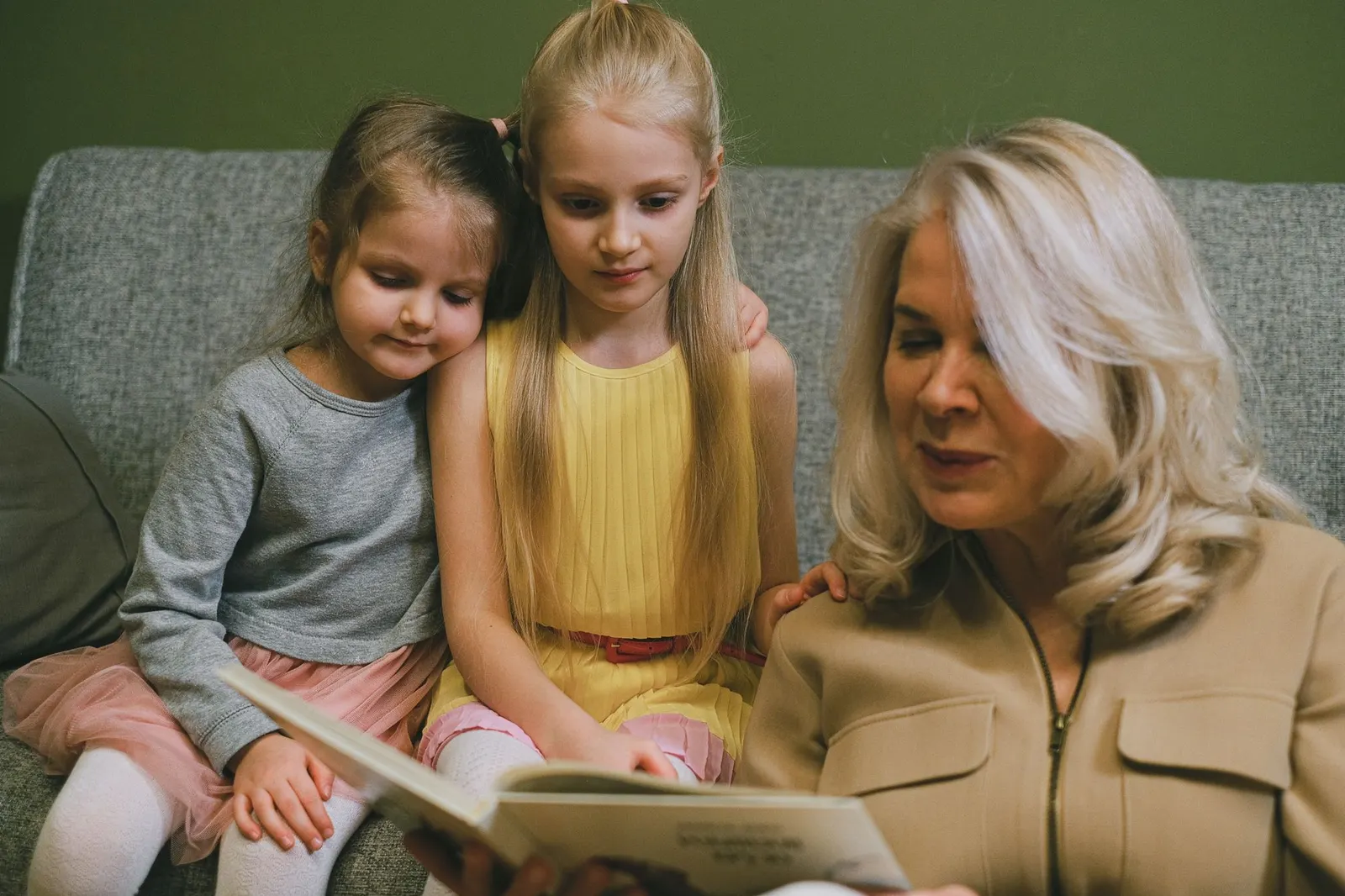
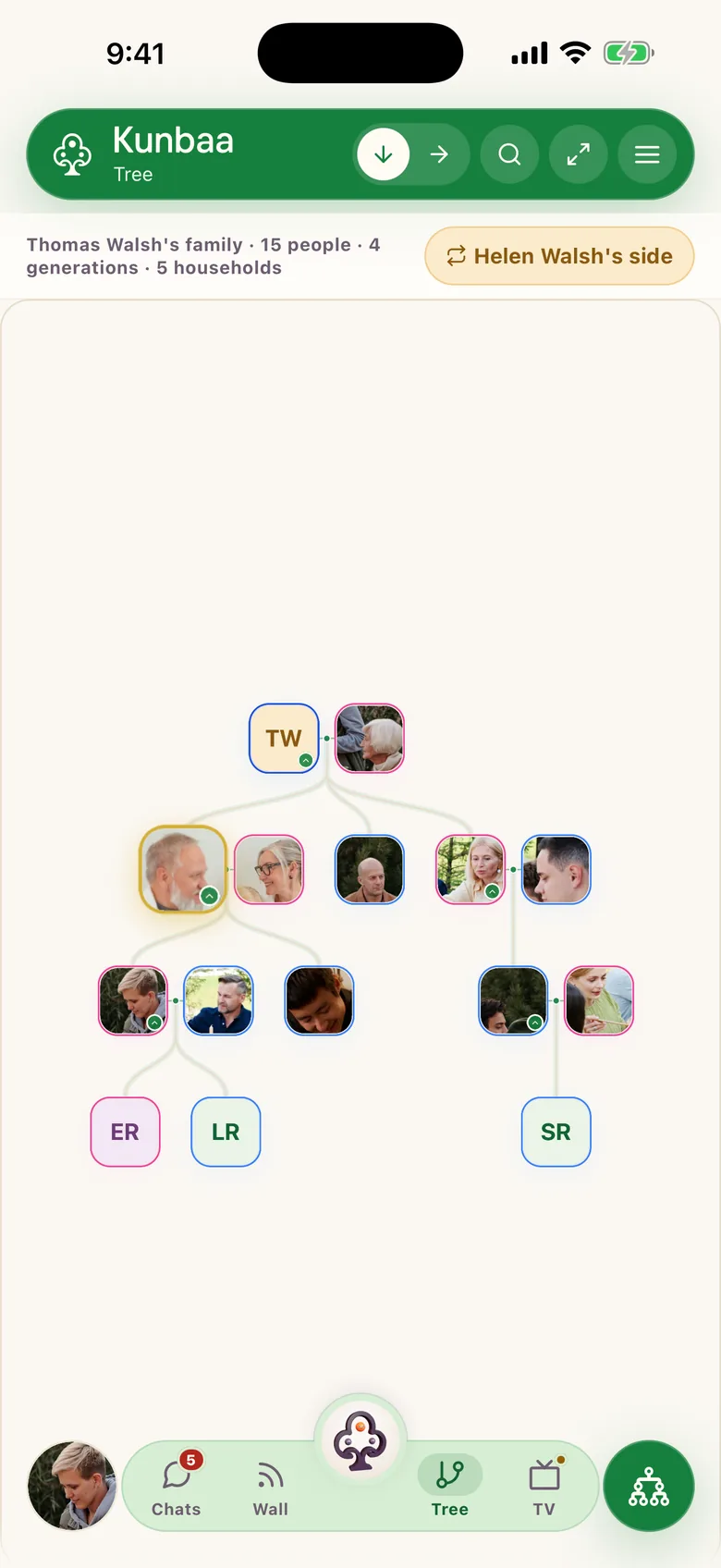
Anchor the tree around the person and branch you know with confidence.
Add parents, grandparents, siblings, then move into cousins and extended lines.
Use relatives, family photos, and old documents to confirm details over time.
You can build a useful family tree with a modest amount of information. Start with facts that are easy to confirm.
The best way to build a family tree is to start with confidence, not perfection. Begin with the names and relationships your family already agrees on, then expand outward with help from relatives and old photos.
That keeps the process moving and creates something useful fast. Once relatives can see the structure, and see their own photos in the family's archive, they start sending corrections, stories, and missing details on their own.
Continue with the next guide that matches where your family is in the setup process.
Clear answers for families who want to start a private family tree with less friction.
More questions? Read the full FAQ or the help centre.
Start with the two or three generations you can describe clearly, usually yourself, parents, grandparents, siblings, partners, and children.
Approximate years, places, and relationships are enough to start. You can refine details later as relatives help verify them.
Yes. A useful family tree reflects the real relationships that matter to your family, not only the narrowest biological view. Kunbaa keeps those notes private, inside the family.
Start with conversations inside the family, then use photos, letters, and records to confirm. The most valuable step is asking elders while they are easy to reach. Their answers become part of the archive.
If you are wondering how to build a family tree, the easiest path is to treat it like a growing family project instead of a one-time history assignment. Start with yourself or a known elder, connect the closest relatives first, and only then expand into larger branches. Dates, places, and photos keep everyone identifiable, especially in large families where several relatives share a name.
The step most guides skip: decide where the tree will live before you start. A drawing or document captures the structure once; a private online tree lets relatives keep adding to it. In Kunbaa, every photo, story and voice note you collect is kept with the names, the place and roughly when written in the caption, so the work you do this month is still understandable decades from now. You can create the tree online free, and the whole family can join without paying anything.
A family tree becomes far more valuable when it captures memory as well as structure. A wedding photo, a migration story, or a voice note from a grandparent turns names into people. And it is the part of the project with a deadline, because the relatives who remember the 1970s will not be reachable forever. If a parent or grandparent needs help getting set up, the elder setup guide walks through it. Prefer to sketch first? Start with the family tree template.